Why save seagrass?
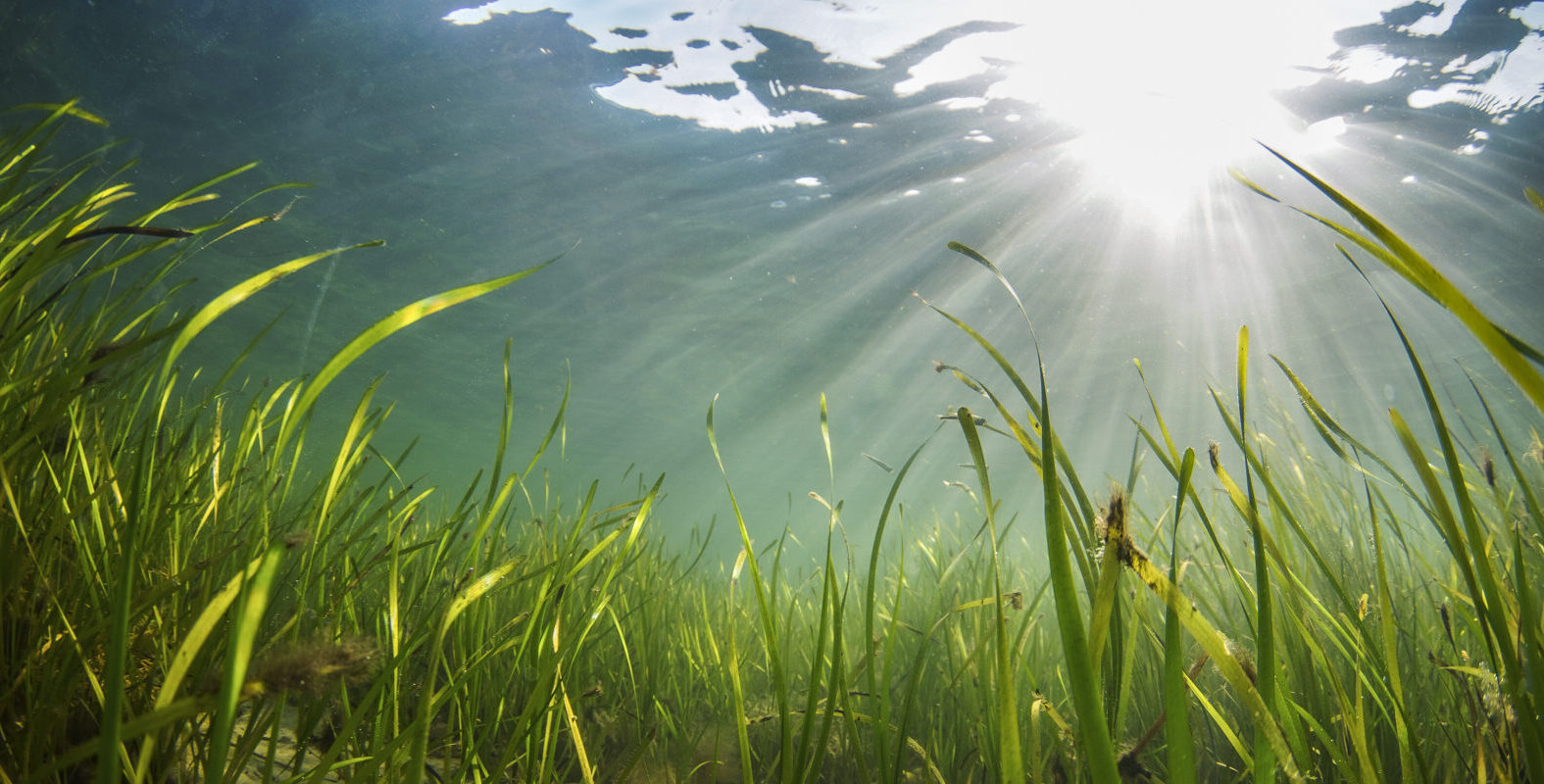
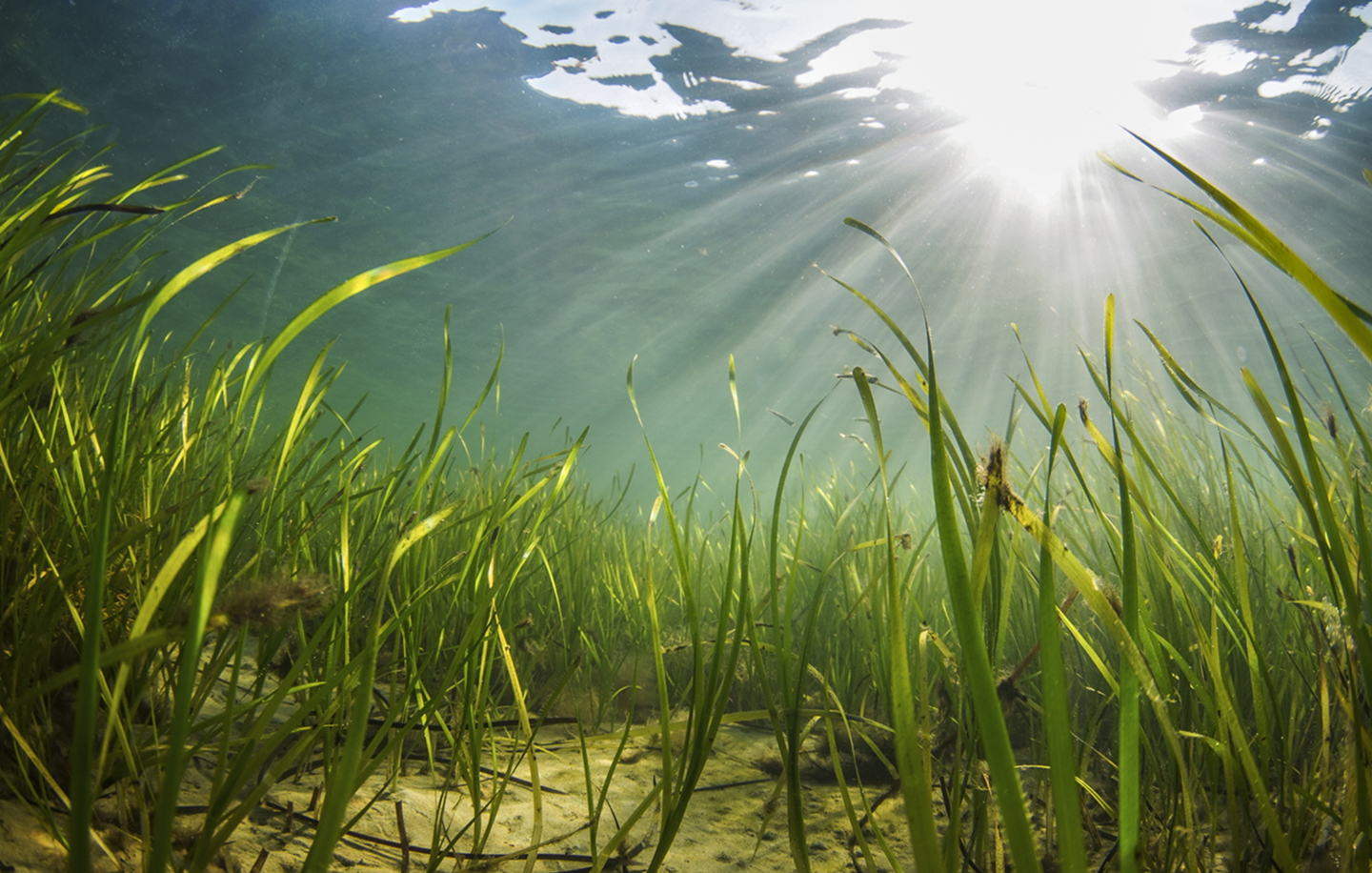
Studland Bay’s seagrass meadows form a rich underwater world, teeming with life, but they are under threat.
Studland Bay Marine Partnership
Studland Bay is home to rare seagrass meadows. This hidden underwater world sustains hundreds of marine species, including seahorses. As a partnership, we are working to protect this fragile habitat, while enabling boaters to continue enjoying the bay.
The Studland Bay Marine Partnership brings together conservation charities, boating organisations, academics, statutory bodies, community groups and local businesses.
We all share one clear goal – to restore the bay’s seagrass meadows and the wildlife they support, while ensuring boaters can continue to enjoy its calm waters.
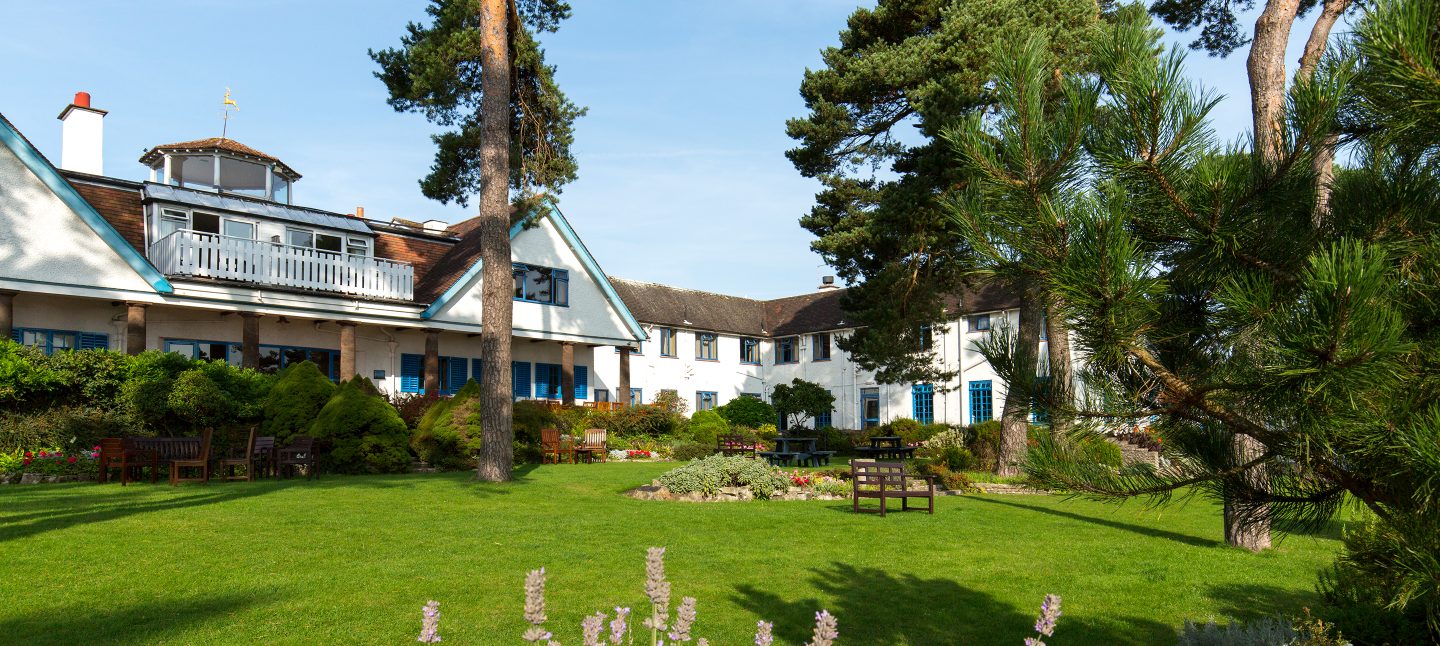
Top photo: © Jon Bunker
Studland Bay’s seagrass meadows form a rich underwater world, teeming with life, but they are under threat.
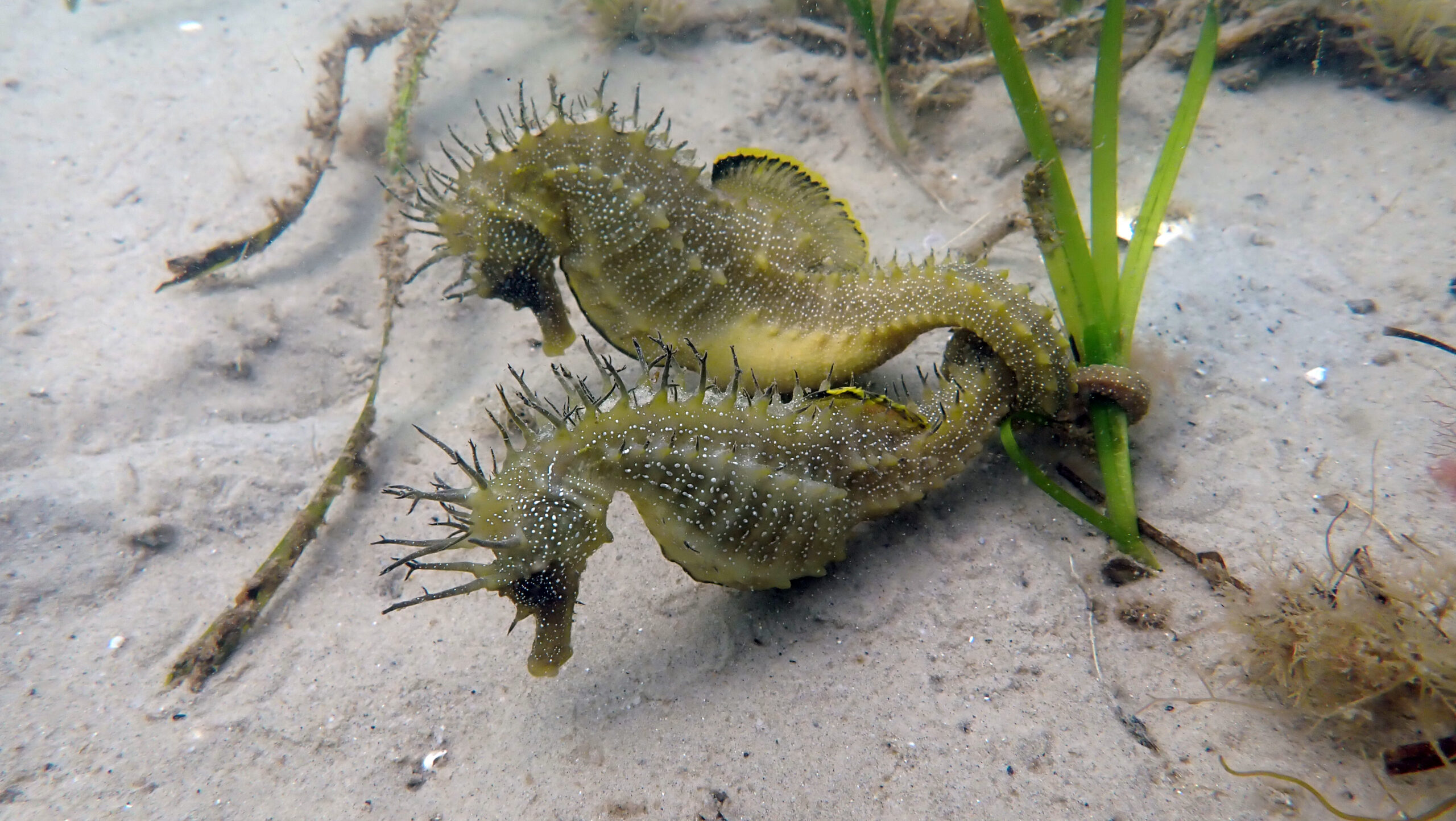
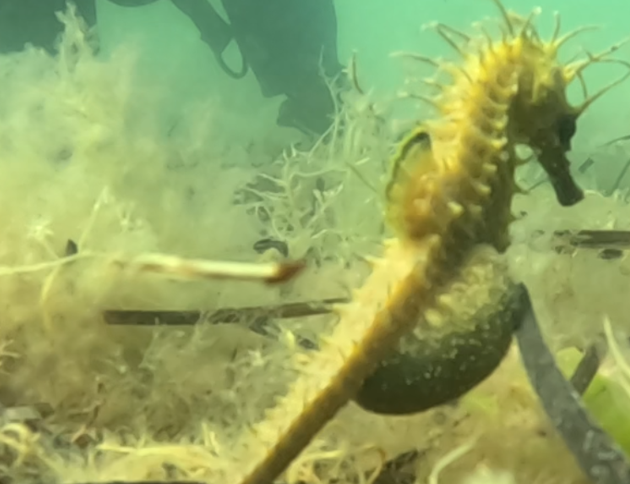
Meet the rare and fragile seahorses which make their home in Studland Bay’s seagrass meadows.
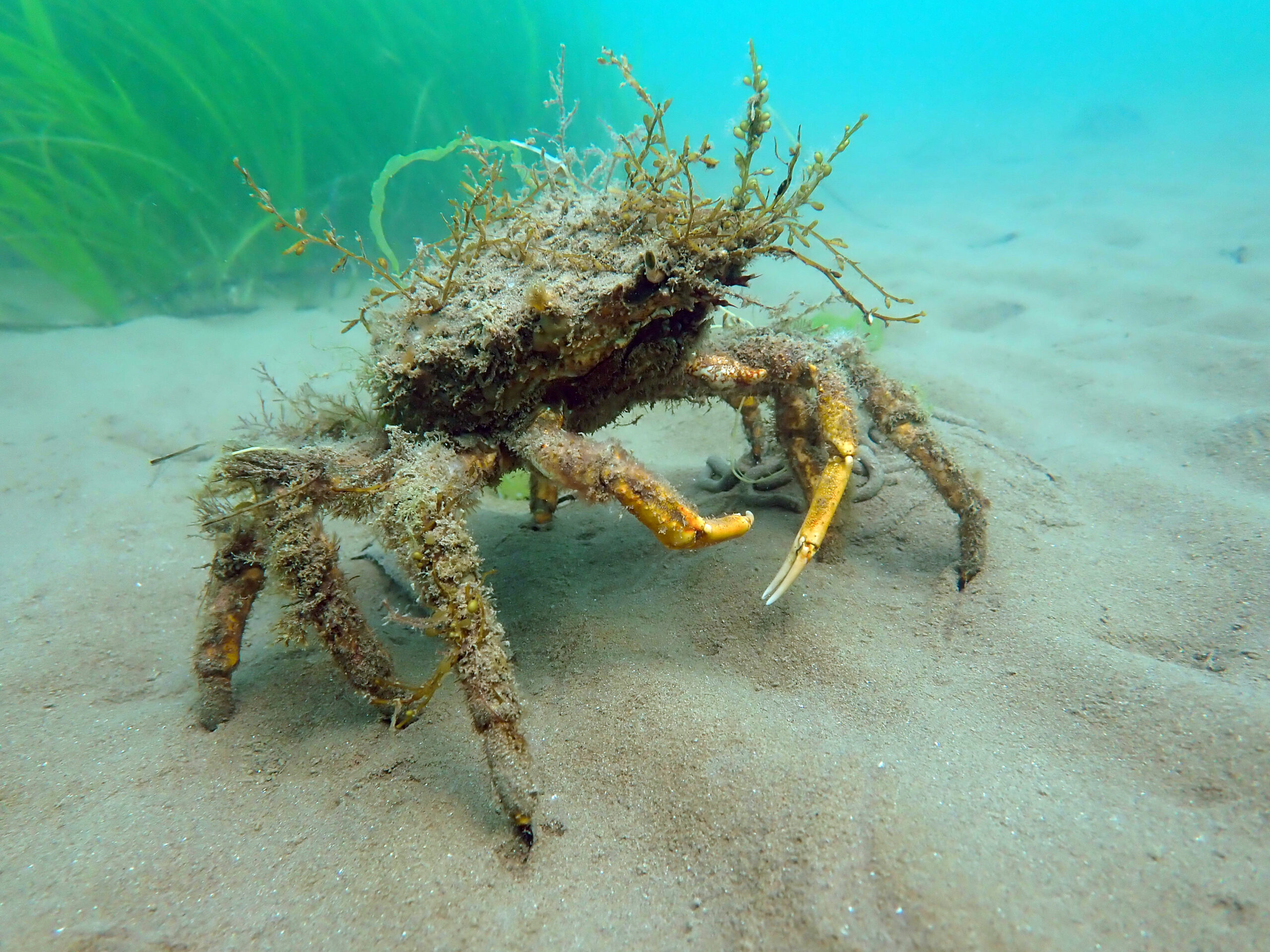
Discover the weird and wonderful creatures that live in Studland Bay's seagrass meadows.
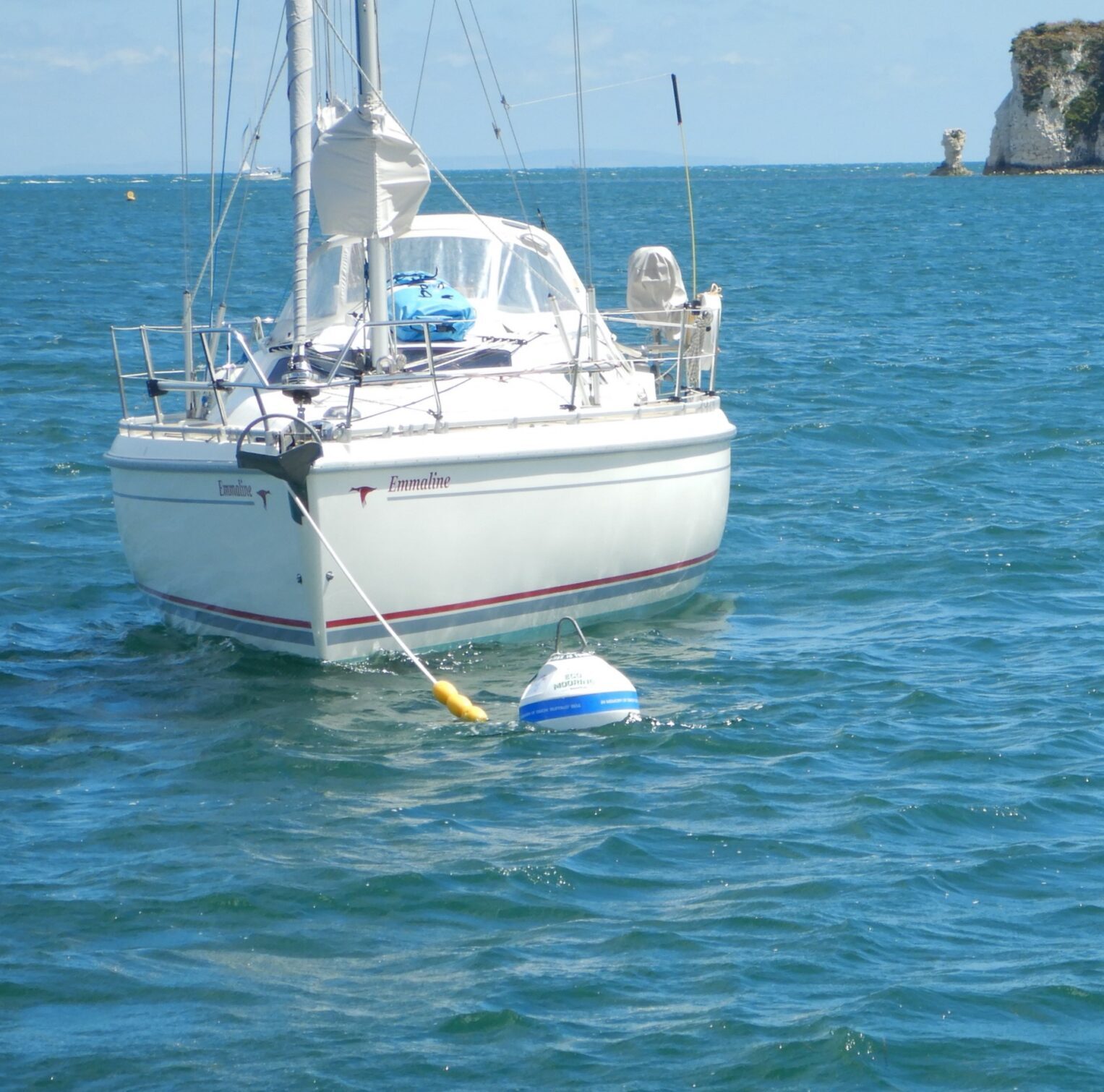
Find out how you can enjoy the calm waters of the bay without damaging the fragile seagrass meadows.
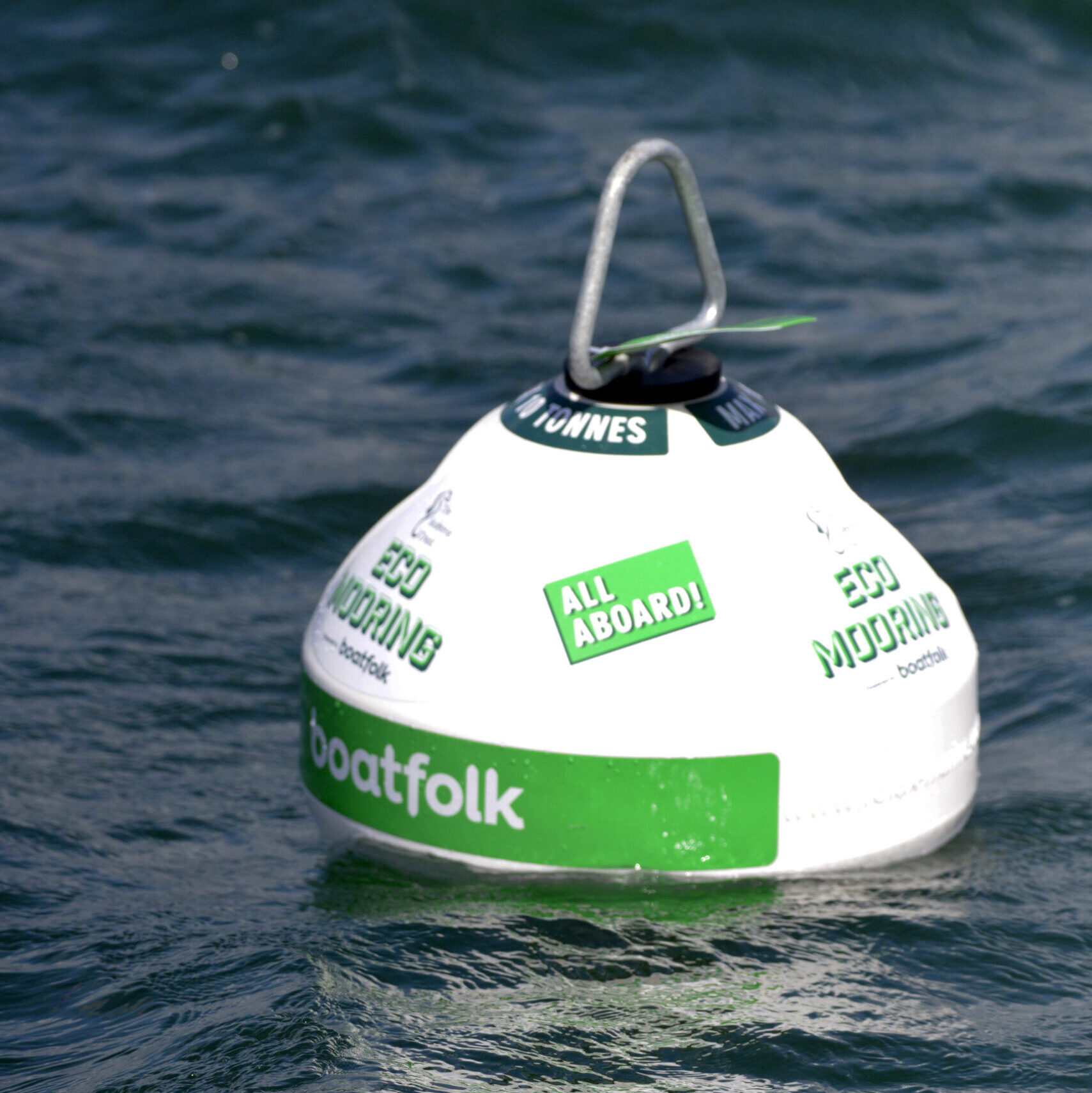
Every penny raised from the moorings goes directly towards protecting Studland Bay’s seagrass meadows.
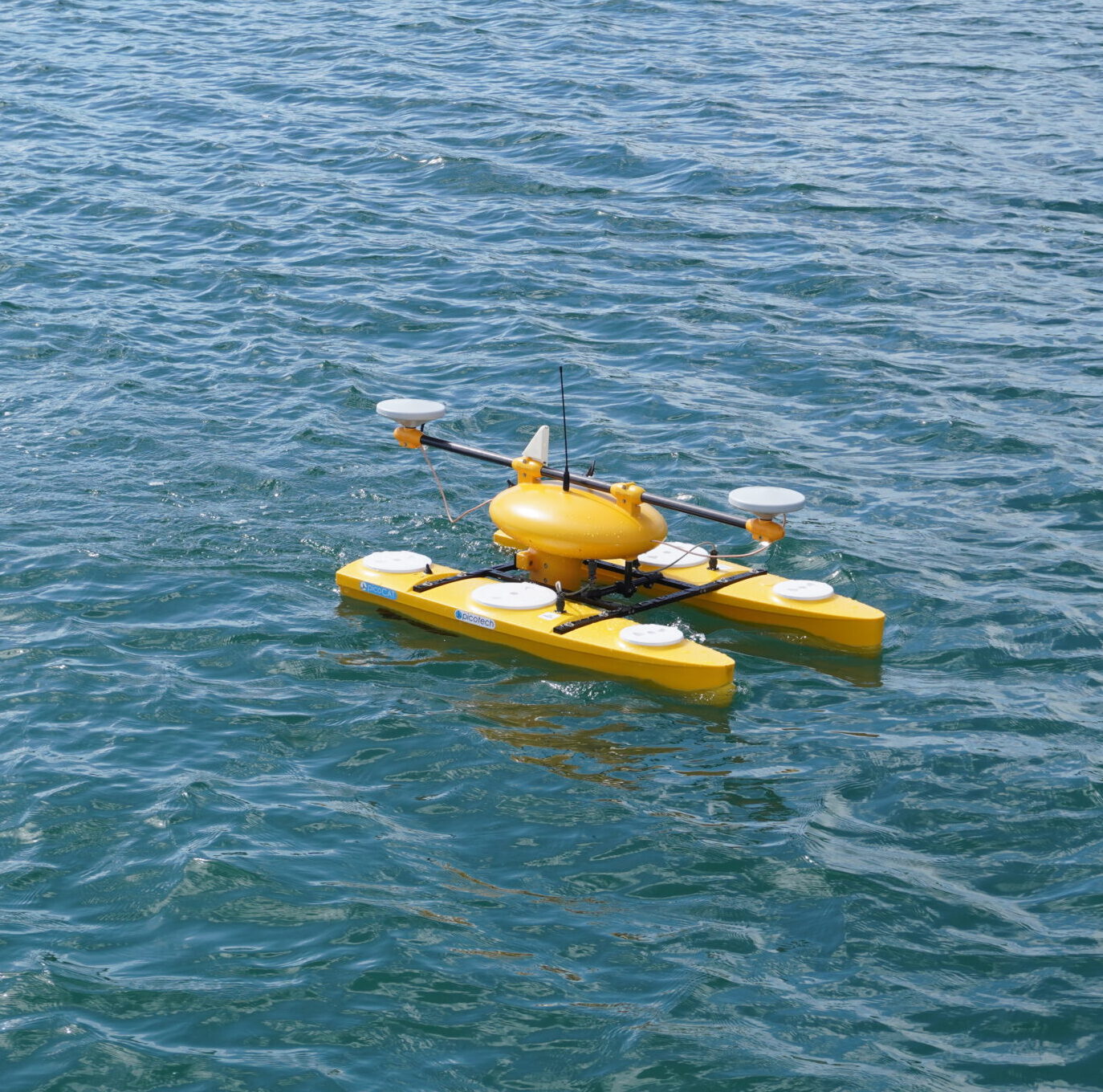
Discover how we are using science to monitor the eco-moorings' effect on seagrass restoration.
Marine Conservation Zones are nationally important assets, and their successful management requires strong local engagement and support. The work of the Studland Bay Marine Partnership is a perfect example of this.Jessica Churchill-Bissett, Head of Marine Conservation, Marine Management Organisation
Marine Conservation Zones are like nature reserves in the sea. They are designated by the Marine Management Organisation, the government body responsible for protecting and enhancing the UK’s marine environment, while supporting sustainable marine activities.
Find out more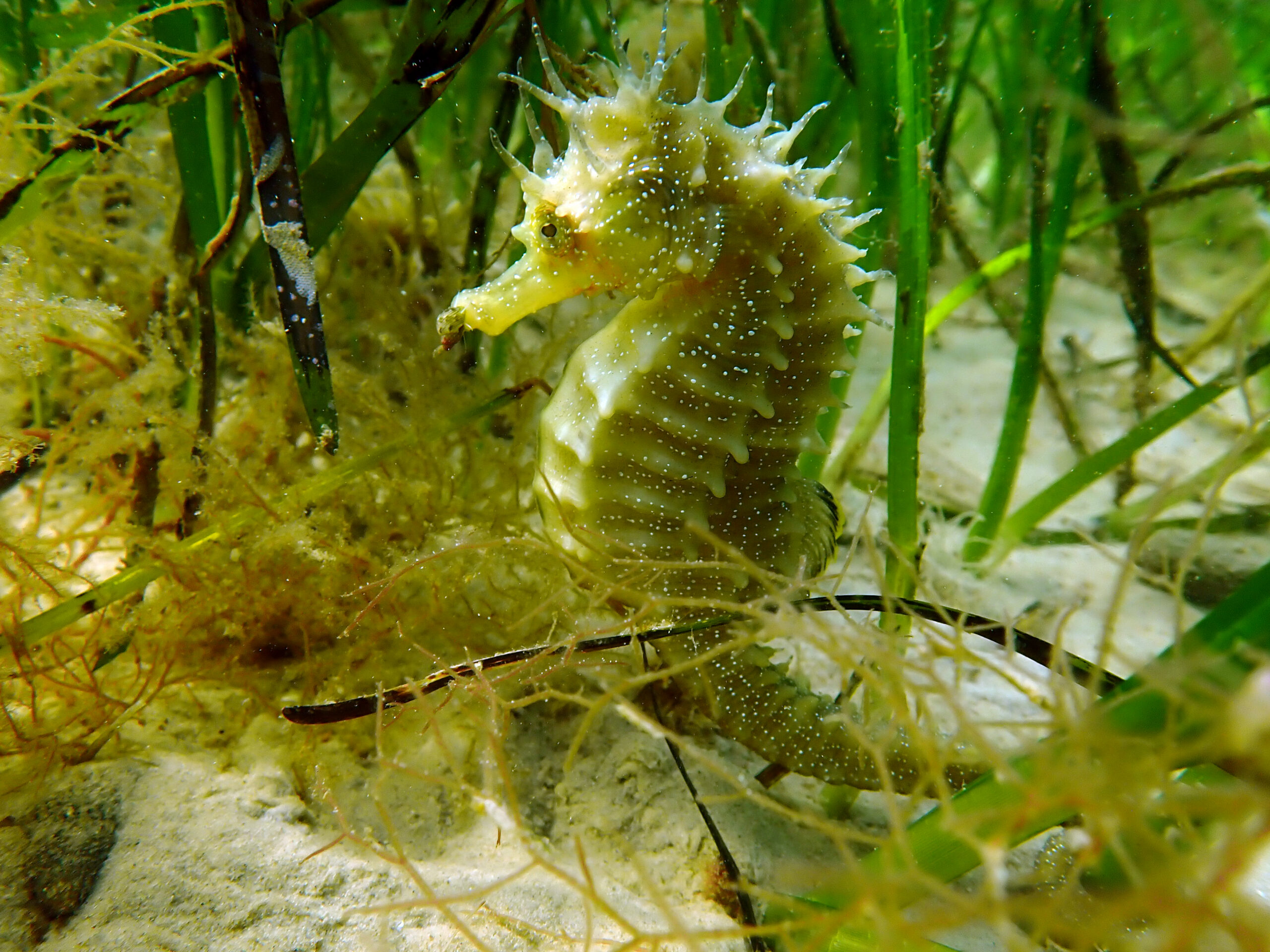
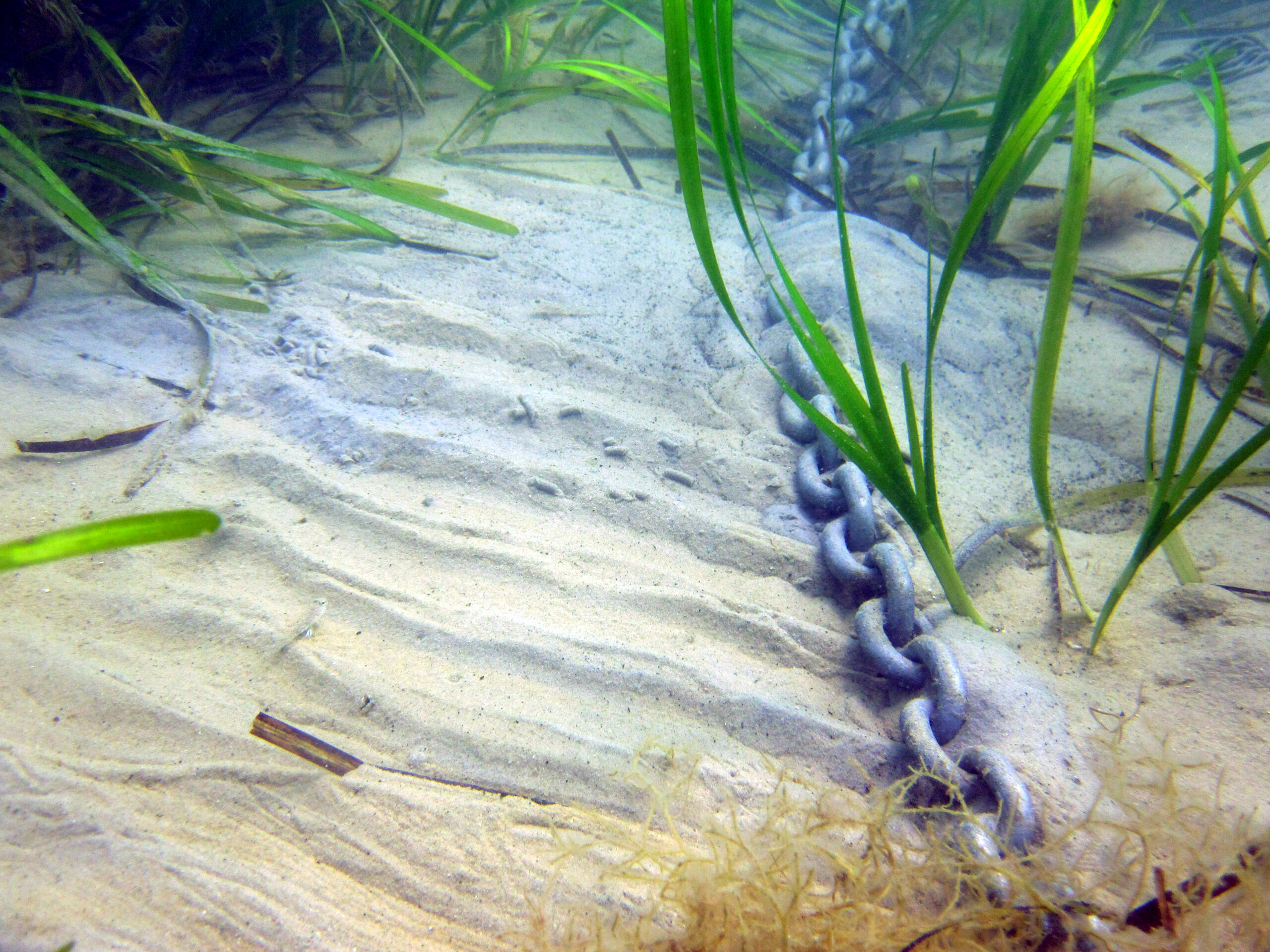
Watch this video by The Crown Estate putting a spotlight on Studland Bay and how the eco-moorings are helping restore the seagrass meadows.
Join BBC Springwatch presenter, Megan McCubbin, as she visits Studland Bay and discovers the wealth of wildlife in the seagrass meadows.
See how seagrass shoots are regrowing in the Voluntary No Anchor Zone, filmed in 2024 by divers from the University of Southampton.
installed to help protect the bay’s precious seagrass meadows
using eco-moorings rather than traditional anchors
boaters using a mooring and paying for it
double the number of seahorses encountered in 2025 compared to 2024